
Content warning: This article discusses suicide, grief, and trauma.
I didn’t grow up dreaming of leadership.
I grew up dreaming of safety.
By 18, I’d already lost my only parent and faced homelessness. I knew what it meant to survive. What I didn’t yet know was what it felt like to belong.
I was born into poverty. My dad left when I was three. I don’t have many memories of him, just flashes. One that sticks is being on my mum’s hip when a door was slammed into her face during a fight. Her nose broke. That was the last time he was really around.
My mum raised four girls on her own, on benefits. And to be honest, it didn’t feel abnormal. It was all I knew. Our house was clean. There were home-cooked meals. We had dogs, rabbits — more pets than you could count. I remember being told to do chores and sneaking out instead to play on the slide outside our house. We didn’t have money, but we had each other. It felt… enough.
Then my older sister went into care.
We moved home. Moved schools. Again, it felt fine.
Until it didn’t.
I was eight when my mum tried to end her life. And that was the first time. But not the last.
Over the next ten years, I became her carer. Not in name, but in every way that mattered. I learned the signs – when she locked herself in her room, when Tracey Chapman played loud enough to shake the walls, when silence meant I should panic. My body lived in a constant state of alert. Fear was my normal.
And then, at 18, I heard the words no teenager should ever hear. “She’s dead.”
I knew instantly. I ran to her while others in the room shouted blame. I didn’t shout. I acted. I called 999. I tried resuscitation. I did everything I could, but I couldn’t bring her back.
She was gone.
And for years, I wore the guilt in my muscles. In my sleep. In every overachievement. I should’ve checked on her before bed. I should’ve gone into her room when I popped to the toilet in the night. I should’ve done more.
I wasn’t enough to stop her from wanting to end her life. And in the end, I wasn’t enough to save her.
That belief haunted me for a long time. It shaped how I showed up in the world, hyper-responsible, endlessly capable, always scanning for what could go wrong.
It took years of self-love, and the courage to finally speak about it to learn:
It wasn’t my fault. It was never mine to carry.
Belonging Isn’t Just a Feeling, It’s a Lifeline
For people like me, from low-income, fractured beginnings, belonging can feel elusive.
We’re conditioned to adapt, to survive, to blend in and not ask for more. We become masters of code-switching. Of being acceptable, agreeable, impressive, but never too us.
I built a career I was proud of. Led big teams. Won awards. But that young adult’s fear never left me, that the world could shift at any moment. That nothing was truly safe.
That’s why the work I do today matters so deeply.
Because belonging shouldn’t be a privilege. It should be a baseline in families, in workplaces, in society.
I see it time and again with the brilliant people I work with from lower-opportunity backgrounds. They’re talented. Driven. Capable. But still questioning if they belong in professional spaces, at the decision-making table, in conversations about leadership. Not because they’re not good enough, but because the system was never built with them in mind.
Purpose is Born in the Mud
People often ask me why I called my consultancy Red Lotus. It’s simple.
The lotus flower grows in mud. It rises through dark, murky waters and blooms into something powerful, beautiful, whole.
That’s my story. That’s the story of so many people I work with.
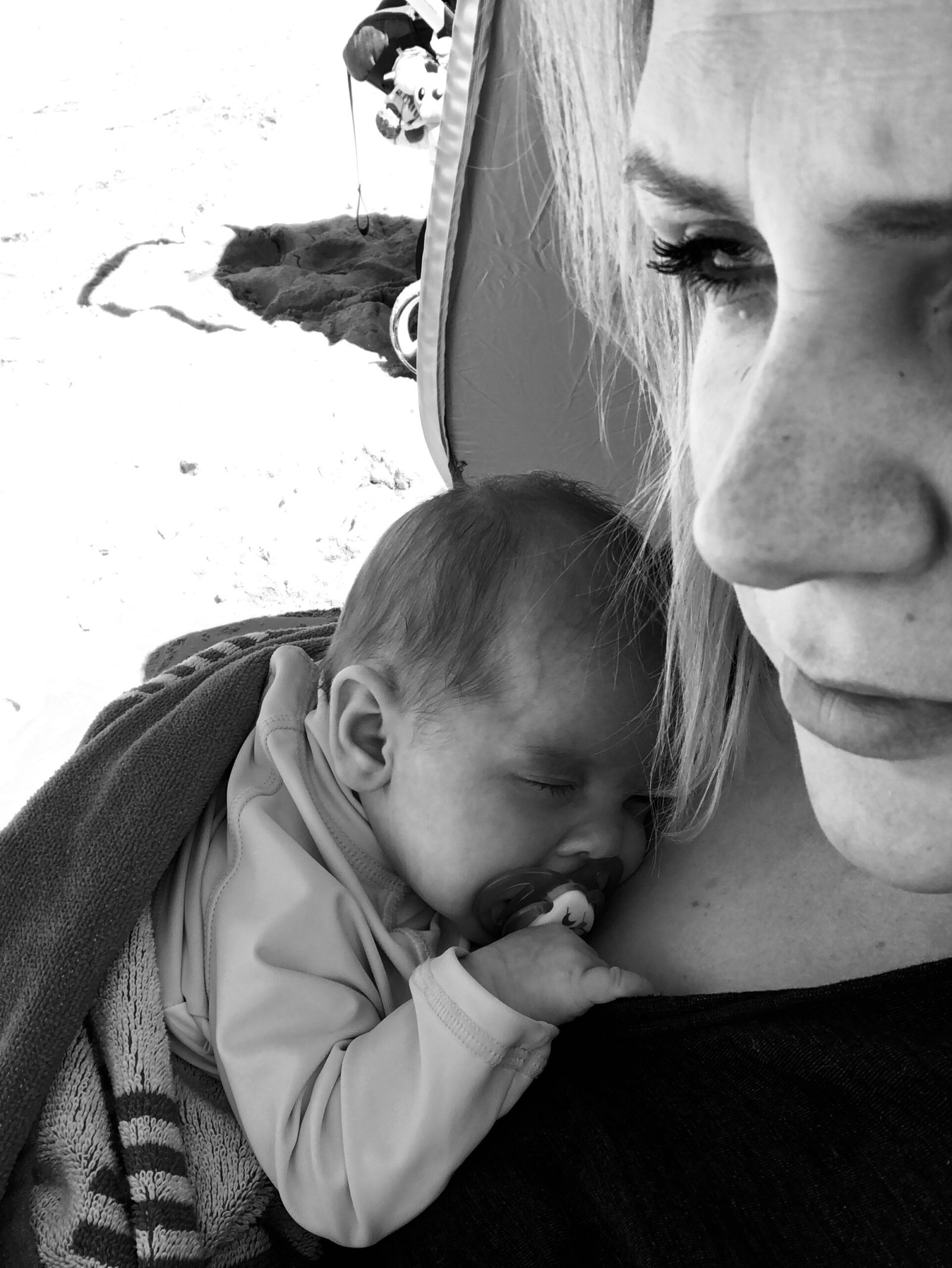
When my daughter was born, she didn’t just make me a mother. She gave me my first experience of true, unconditional love, not love I had to earn, or prove myself worthy of, or hold together by sacrificing my own needs. Just love. Whole and immediate.
For the first time in my life, I felt I belonged. I wasn’t trying to fit in. I wasn’t bracing for loss. I was anchored.
She gave me purpose, not just to survive, but to live, to lead, to build something better.
That moment didn’t just change me as a person. It made me a stronger leader. A more grounded coach. A bolder advocate for people like me.
Two years later, I won Nationwide’s Leader of the Year. I didn’t rise in spite of where I came from. I rose because of it.
Your Past Doesn’t Disqualify You. It Powers You.
If you’ve ever felt like an outsider, in parenting, in leadership, in life, you need to know this:
The mud you came through doesn’t diminish you. It’s what makes you strong.
You don’t need to prove your worth. You just need the right environment to let it grow.
And if no one’s made space for that yet, build your own damn table.